
Made in the UK from 100% recycled polypropylene
Application guidance
Build permeable access routes for service, maintenance and managed vehicle traffic, with ground and drainage design matched to the project.
Why it matters
Service and maintenance routes fail quietly, then suddenly: a track that carries the van all summer becomes impassable in the winter that the pump fails or the roof leaks. Ruts fill with water, the ground pumps soft, and the route that was meant to save the site becomes the reason for a 4×4 shuttle.
An X-Grid access route keeps a designed surface under exactly that traffic. The cells confine the infill on a compacted sub-base, loads spread through the build-up, and the route drains through the open structure instead of ponding. Grass-filled routes read as landscape and can be mown over; gravel-filled routes take regular commercial wheels.
panels — one pallet covers a van route quickly
open structure — no standing water
Who this guidance is for
Design the route for the heaviest vehicle that will use it — a refuse lorry changes the sub-base, not just the surface.
Approved build-up guidance
Compacted free-draining aggregate in controlled layers, deepened for the route’s heaviest vehicle and the site’s ground conditions.
A membrane over the formation keeps the structural layers apart on soft or variable ground.
A 5–10 mm sharp-sand blinding beds the panels level along the route.
Interlocked full width so wheels cannot track between panels; cuts kept larger than half a panel.
Angular gravel for regular traffic, or soil-and-seed grass construction where the route must return to vegetation.
Falls and outfalls designed with the route, not after it; edging holds the surface at gateways and junctions.
Key facts
panels — one pallet covers a van route quickly
open structure — no standing water
wall thickness, slot-and-peg interlock
from frost to summer surface heat
Specifying discipline
Installed project
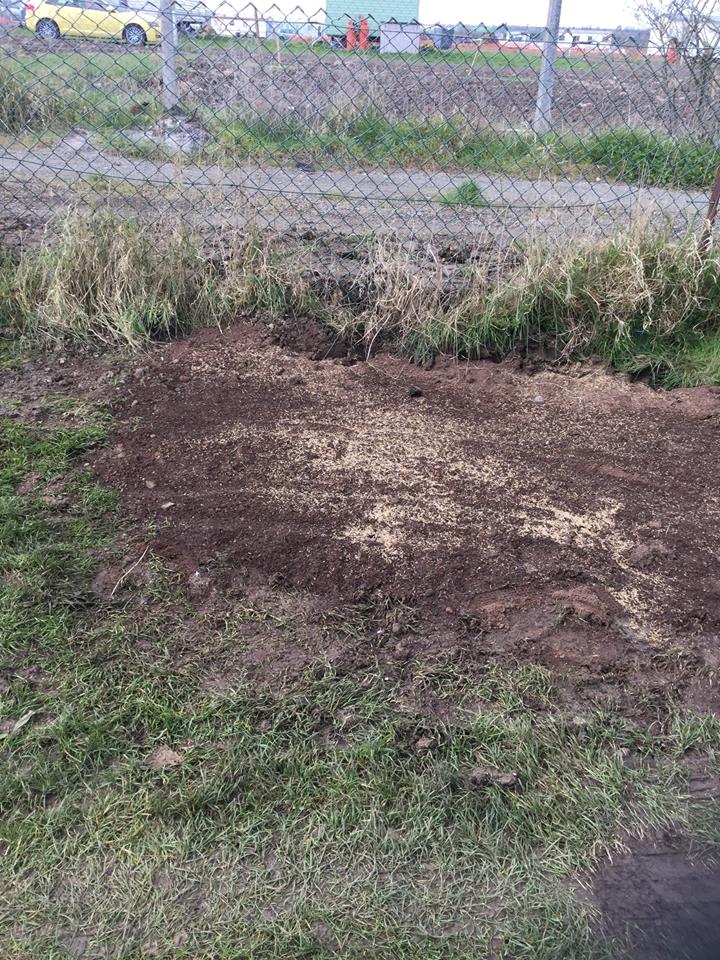
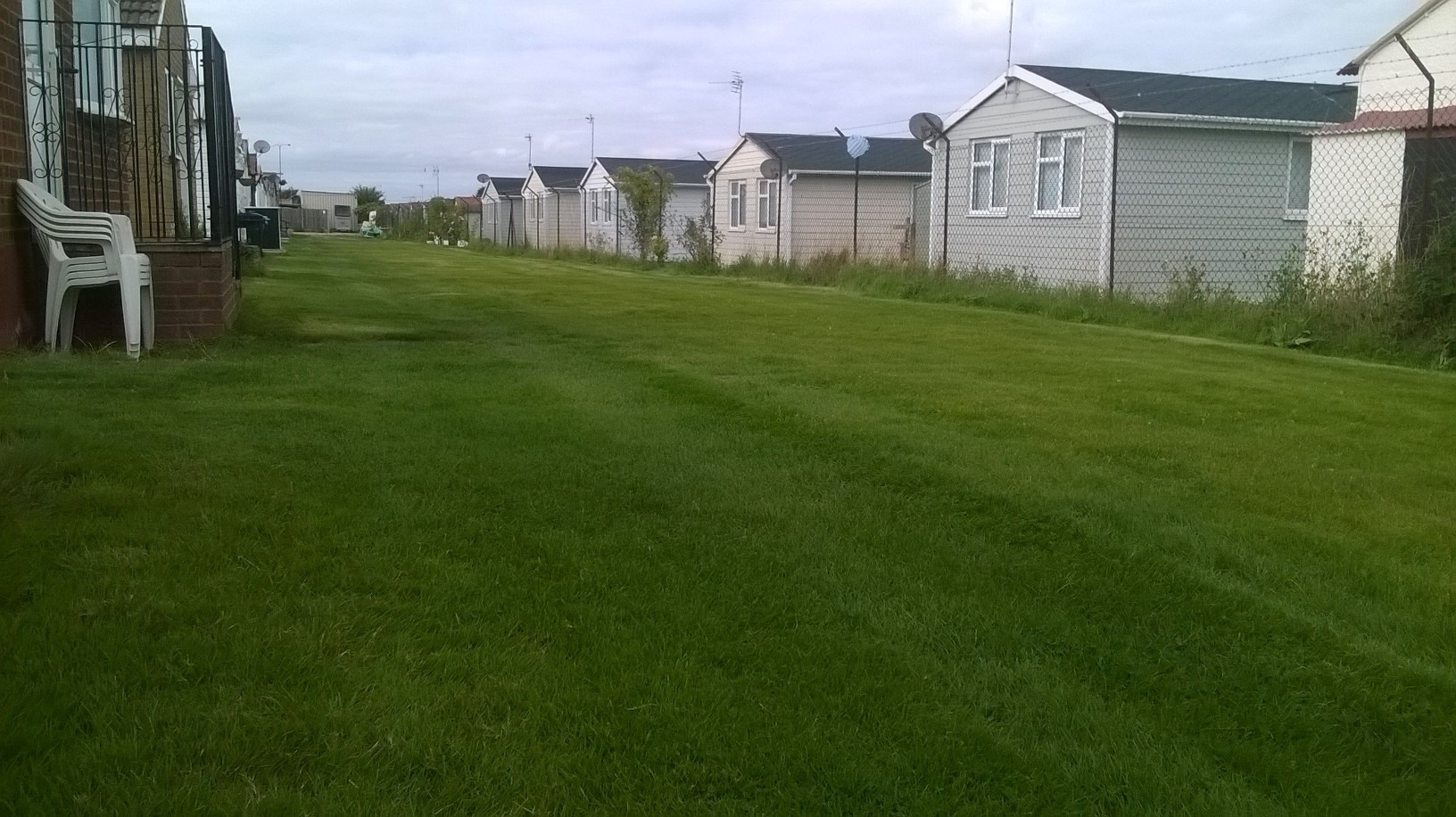
Grassed access roads at Park Avenue Holiday Village became impassable every winter. The rebuild — mesh, compacted MoT, geotextile, sharp-sand blinding, then X-Grid filled with soil and grass seed — produced matured routes that no longer rut or muddy and can be mown over.
Straight answers
A designed sub-base with geotextile separation, then X-Grid confined infill. The grid stops the surface rutting while the build-up carries the vehicle loads — the published Park Avenue case study documents exactly this sequence.
Yes — grass-filled X-Grid is used for routes that must mow over and read as landscape; traffic needs to be managed while the turf matures.
X-Grid guidance covers gradients up to 12%. On sloping routes, falls and outfalls need designing so water never runs down the finished surface.
Other applications
Create a stable, permeable gravel driveway with an installation build-up matched to ground and traffic conditions.
Reinforce gravel or grass parking bays, overflow parking and circulation areas with a durable cellular system.
Stabilise gateways, yards, tracks and high-wear equestrian areas with appropriate drainage and build-up.
Reinforce farm access, yards and routes where ground conditions and vehicle loading demand a robust design.
Protect buggy routes, maintenance access and overflow areas while respecting the surrounding landscape.
Support campsite pitches, access and parking with permeable grass or gravel surfaces designed for seasonal traffic and site drainage.
Create practical paths, garden surfaces and suitable bases for lightweight garden structures.
Prepare a stable, level and free-draining grid base where the complete installation is designed for the filled load.
An indicative panel count, build-up and material schedule for any application on this site, reviewed by the technical team.
Every build-up above assumes the same published panel data: 330 × 330 mm cells, 40 mm deep, nine panels per square metre, a slot-and-peg interlock and a working range of −50 °C to +90 °C.