
Made in the UK from 100% recycled polypropylene
Ground reinforcement, engineered in the UK
X-Grid creates strong, permeable gravel and grass surfaces for driveways, car parks, access routes and landscapes.
Tested compression figure
Panel depth
Open structure
Recycled polypropylene
The problem it solves
Gravel on its own has nothing to hold it. Tyres push it to the edges, rain washes it down a slope, and the stone that is left slowly sinks into the ground underneath until ruts appear. Grass fares no better once vehicles use it regularly: wheels churn wet ground, the roots shear, and a green route turns into a mud strip every winter.
A ground reinforcement grid is a cellular plastic panel laid over a prepared sub-base and filled with gravel or soil. The cells hold the fill in place, so tyres press on the panel rather than pushing the stone around, and the load travels down through the construction instead of churning the surface. Because the panel is mostly open space — X-Grid is 93% open — rain still passes straight through to the ground below.
X-Grid is that idea engineered properly: a 330 × 330 mm interlocking panel, 40 mm deep, made in the UK from 100% recycled polypropylene, with a slot-and-peg connection so the panels form one continuous, load-spreading surface.
The mechanism
Three things happen when a wheel rolls over a filled X-Grid panel. First, the load is carried by the panel walls rather than the surface stone, so the gravel is not shoved sideways out of the wheel line. Second, the confined fill transmits the load down through the sub-base, spreading it over a much larger area of ground than a wheel alone would. Third, water drains through the open cells instead of running off, so the surface stays usable in rain and the ground below keeps working as drainage.
None of that happens on its own: the panel is one layer in a build-up that also needs a compacted sub-base, an edge restraint and the right fill. Get those right and the surface stays firm and permeable for years. The installation guide sets out each layer in order.
Honest answers
The panel itself will not disappear into correctly prepared ground: its 428 t/m² compression figure was measured on an unfilled panel by an independent laboratory. What actually decides the surface is the build-up beneath — a compacted sub-base designed for the traffic and the ground. That is why our guidance specifies the layers, not just the panel.
Yes, by design: 93% of the panel is open structure, so rain passes through the fill and into the free-draining construction below. A grid surface can count towards SuDS-conscious drainage, provided the sub-base, falls and outfall are designed for the site. The panel supports drainage; it cannot substitute for it.
The panel is made from 100% recycled polypropylene — an inert material that does not rot, and is serviceable across −50 °C to +90 °C. We publish claims we can evidence: where a formal service-life statement is being prepared, it will appear in the written technical approval, not in marketing copy.
Choose your route
Start with driveways, paths and practical garden bases.
Review build-ups, quantities and the installation sequence.
Recent projects
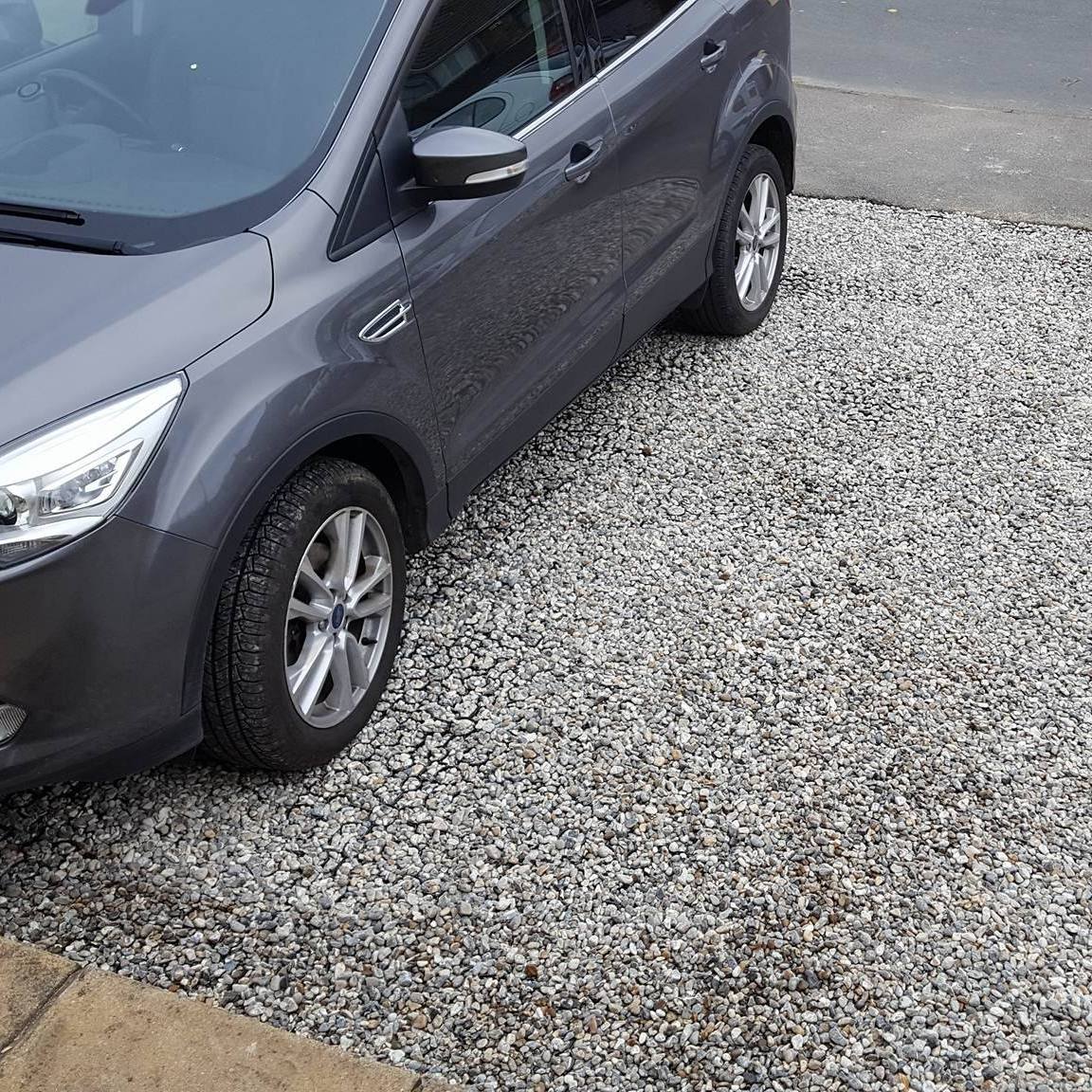
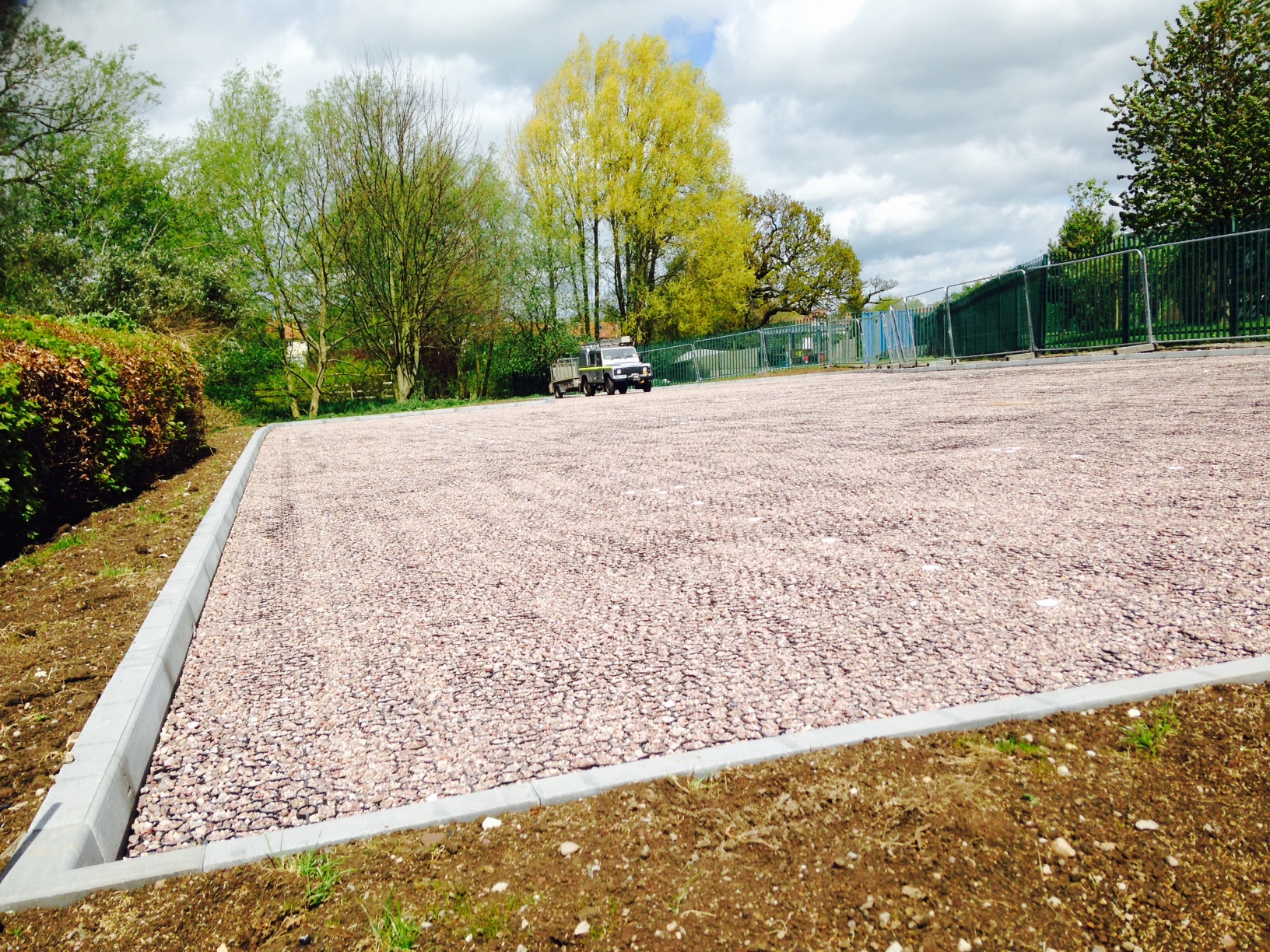
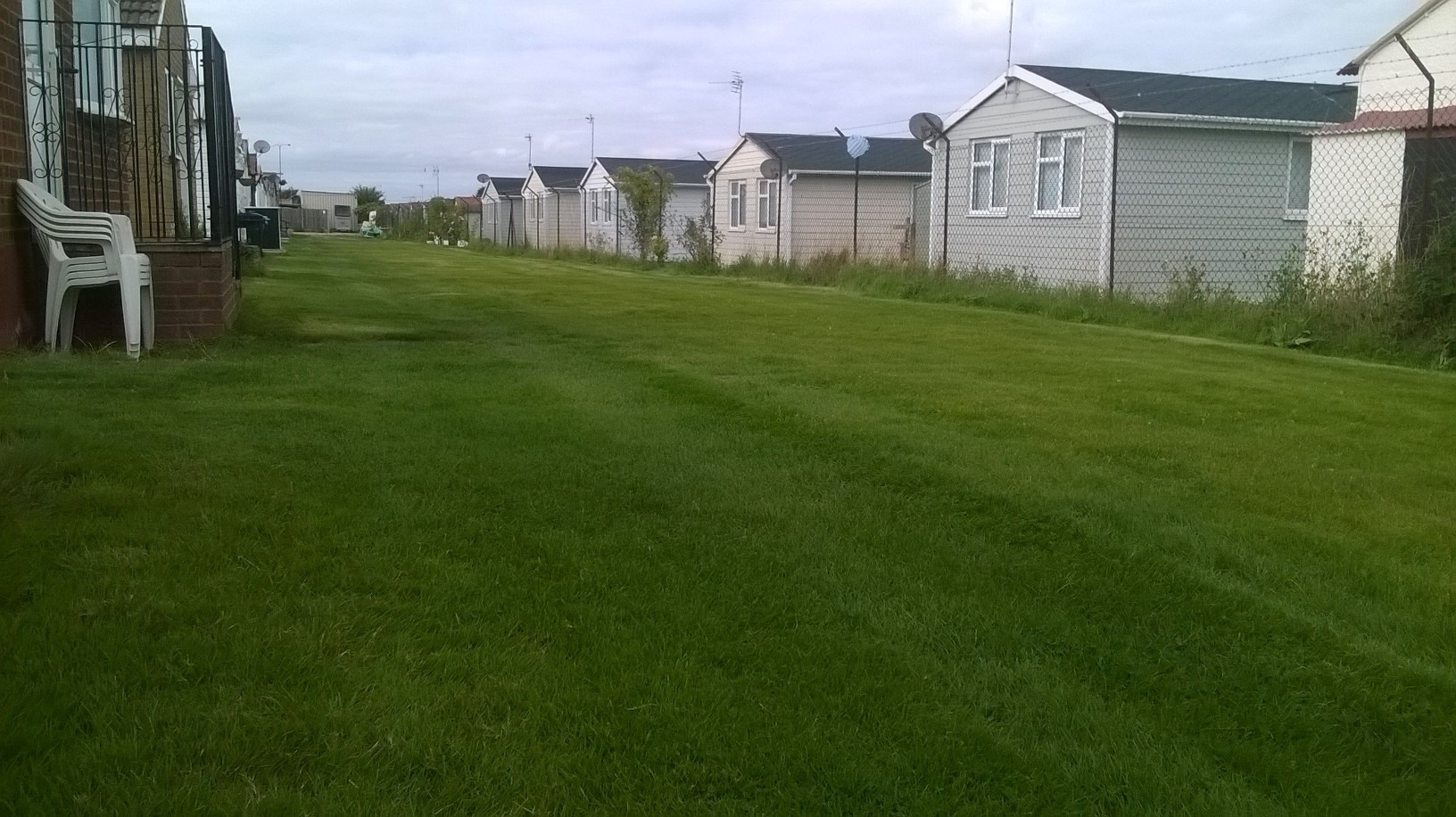
These are documented projects, not stock photos: a school whose overflowing grass parking became a gravel-filled grid car park, a holiday village whose winter-impassable grass roads were rebuilt with soil-and-seed-filled panels, and a domestic driveway rebuilt after its owners were topping up gravel “within as little as a week”. Full build-ups and outcomes are written up on the projects page.
One interlocking platform
X-Grid panels are 40 mm deep, manufactured in the UK from 100% recycled polypropylene, and available in black, natural and green to suit the intended finish. One panel, one specification, three finishes — the choice is about how the surface should look, not about a different technical system.