
Made in the UK from 100% recycled polypropylene
X-Grid solution
Green X-Grid supports turf in applications where a natural appearance and occasional or managed vehicle access are both important.
Grass reinforcement
Grass tolerates astonishing compression but almost no shear. Every wheel turn slides the surface sideways and tears the root mat at its weakest point; a handful of passes along the same line in wet weather is enough to bald it. Once the sward is broken, wheels churn the exposed soil into mud, the mud compacts, and nothing grows back — the rutted winter track every campsite and overflow field knows.
Grass reinforcement changes the geometry. The cell walls take the shear and the load, so the wheels never touch the root mat directly, and the rootzone inside the cells stays intact enough for the sward to hold and recover. Because the fill is a free-draining rootzone rather than solid ground, the grass roots into the cells and the surface still counts as permeable.
Establishment matters more than species. Seed or turf into the filled cells, keep vehicles off until the roots have taken, and manage wear afterwards: rotate heavily used lines, top up rootzone where cells show, and mow as normal — the panels sit below the blades, and at Park Avenue Holiday Village the rebuilt routes are mown with ride-on machines. Grass-filled X-Grid is the difference between a surface that looks like grass and a surface that survives being used as grass.
Get the details right
The construction under a reinforced lawn or overflow bay is deliberately close to a normal lawn build-up: a free-draining rootzone inside the cells, seeded or turfed, over ground prepared the way any trafficked surface would be. What changes is the panel between the wheels and the roots. The 330 × 330 mm cells take the shear and the compaction, so the root mat inside each cell stays intact enough to hold and recover, and the surface stays permeable because the fill is soil rather than a sealed skin.
Establishment is the discipline that decides the outcome. Fill the cells with approved free-draining rootzone, seed or turf in the growing season, and keep traffic off until the roots have taken — a few weeks of patience that buys years of surface. Manage wear the way good grounds teams always have: rotate heavily used lines, top up rootzone where a cell starts to show, overseed worn areas in autumn, and mow as normal, because the 40 mm panels sit below blade height. At Park Avenue Holiday Village the rebuilt routes are mown with ride-on machines, which is the everyday proof that the system is working.
Grass reinforcement has honest limits. Daily parking on the same bays will eventually wear any grass surface, however well rooted — gravel is the better answer for all-day use. Concentrated point loads such as caravan corner-stays or skip feet press small areas hard and deserve a local design check. And in shade or drought the sward thins for reasons no grid can fix.
What the grid does change is how failure behaves. Because the cells keep a rootzone structure in place, a worn line overseeds and comes back instead of becoming permanent mud; the difference between a tired surface and a ruined one is the difference between a surface that can be managed and one that has to be rebuilt. For seasonal traffic — campsites, event parking, amenity routes — that is the whole point.
In use
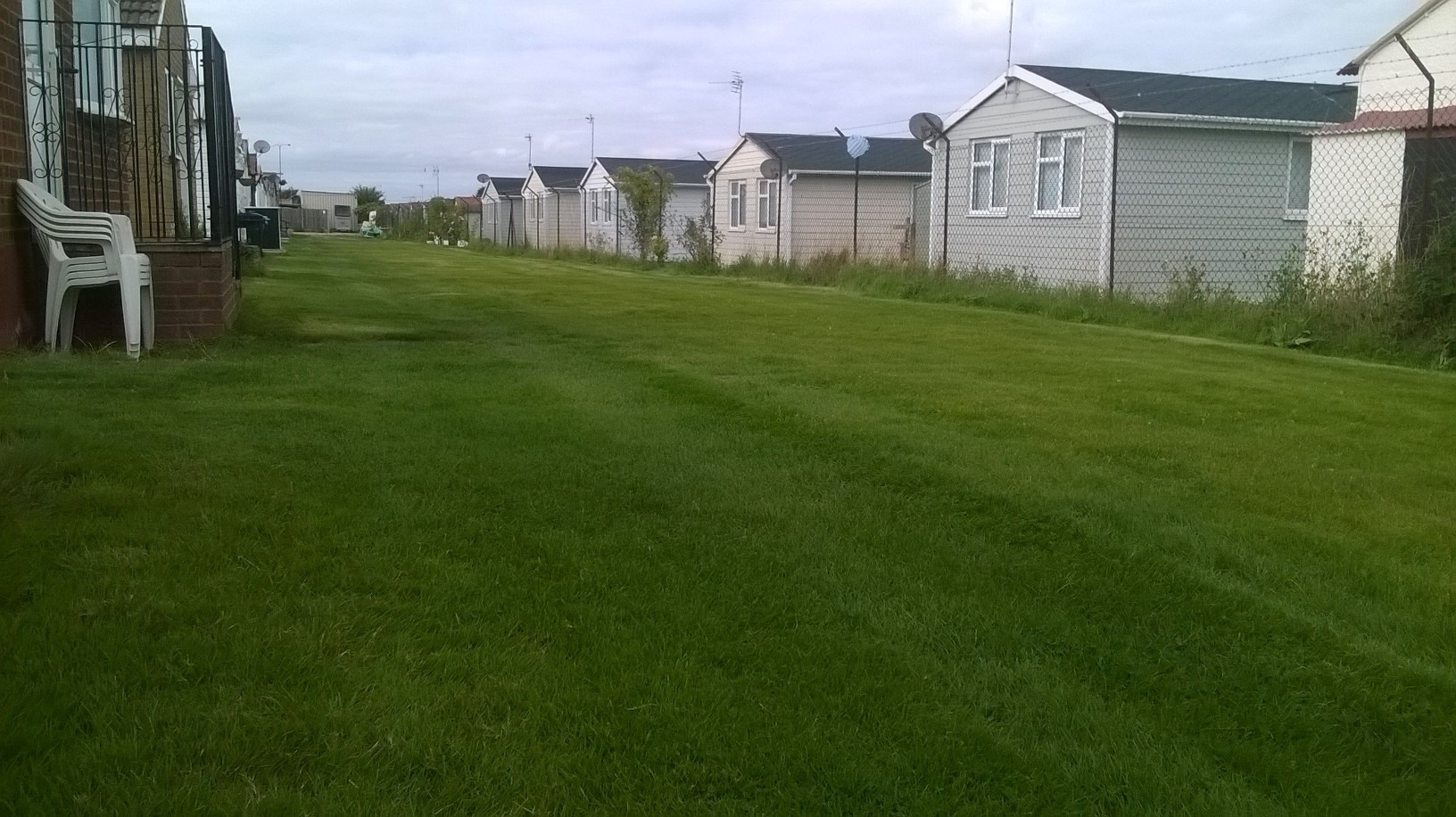
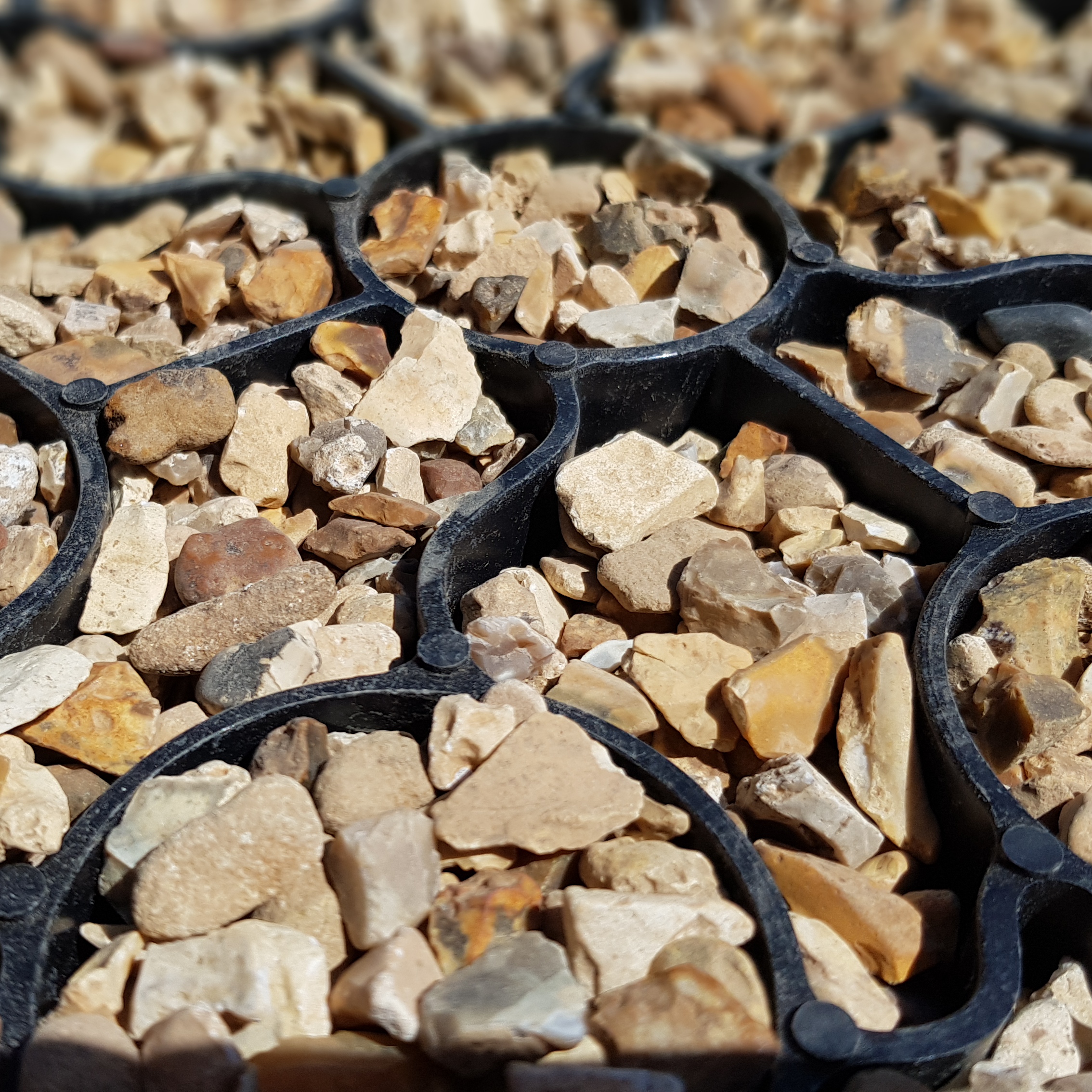
Typical uses include overflow parking, events, campsites and amenity access. The final design must reflect site drainage, subgrade strength, slope and vehicle movements.
Use approved free-draining rootzone and grass over a correctly prepared, restrained and permeable construction.